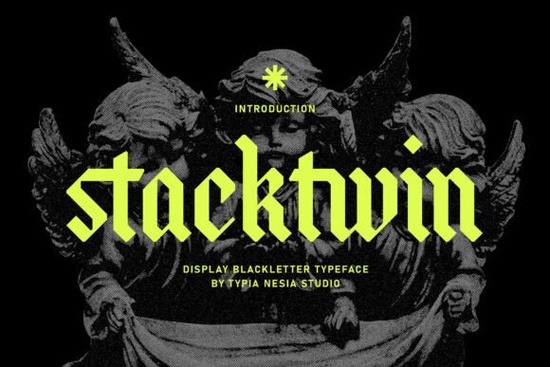
If you're looking for a bold, modern blackletter font that works well for logos, apparel, or event posters without feeling dated or hard to read, Stackwin Font is worth your attention. It’s not a traditional calligraphic blackletter it’s a display gothic typeface with clean outlines, strong contrast, and carefully balanced spacing. That means it holds up well at large sizes on posters or merch, but also stays legible when scaled down slightly for packaging or social media banners.
When does Stackwin work best?
Stackwin shines in contexts where you want presence and personality not just decoration. Think tattoo flash sheets, brewery branding, band merch, wedding invitations with an edgy twist, or boutique packaging for candles or skincare. Its gothic roots give it weight and tradition; its modern construction keeps it from feeling stiff or overly ornate. Unlike some blackletter fonts that blur together at smaller sizes, Stackwin maintains clarity thanks to its open counters and consistent stroke rhythm.
It’s especially useful if you’ve tried other blackletter options and found them too dense or difficult to pair with sans-serif body text. Stackwin was designed with pairing in mind its vertical stress and generous x-height make it surprisingly flexible next to clean typefaces like Montserrat or Inter.
How does it compare to other blackletter fonts on Creative Fabrica?
Compared to Highborne, which leans more medieval and script-like, Stackwin feels bolder and more architectural. Rumbleside has a rougher, hand-drawn texture great for streetwear or zines but less refined for polished branding. And while Underdove offers elegant thin-to-thick contrast and a flowing rhythm, Stackwin prioritizes impact and readability over delicate variation.
That makes Stackwin a solid middle ground: expressive enough for creative projects, structured enough for professional use. If you’re building a brand identity and need one strong display font that won’t limit your layout options, this is a practical choice not just a stylistic one.
What file formats and features does it include?
You’ll get OTF, TTF, and WOFF files so it works in design apps (like Adobe Illustrator or Affinity Designer), cutting software (Cricut Design Space, Silhouette Studio), and web projects. There’s also a bonus set of alternate characters and ligatures, including stylistic swashes and caps-to-lowercase connections. These aren’t essential for every project, but they add polish when you’re designing something like an album cover or invitation suite.
The font includes full Latin character support (A–Z, a–z, numerals, punctuation), plus basic diacritics enough for most English, Spanish, French, and German use cases. It doesn’t cover extended Cyrillic or Arabic scripts, so keep that in mind if you’re designing for multilingual audiences.
Real-world tips for using Stackwin well
- Don’t overdo the effects. Drop shadows, heavy outlines, or extreme tracking can weaken its clean structure. Try subtle letter-spacing (+10–20) instead of stretching or warping.
- Pair it thoughtfully. A neutral sans-serif (like Poppins or Lato) or even a sturdy slab serif (like Rockwell) balances its drama without competing.
- Watch line length. In paragraph use even short ones Stackwin can feel heavy. Stick to headlines, quotes, or short labels unless you’re going for intentional intensity.
- Test print and screen output. Some blackletter fonts look sharp on screen but soften when printed. Stackwin holds detail well, but always check a physical proof if it’s for packaging or apparel.
If you’d like to see how Stackwin fits into broader blackletter trends, Stackwin Font is part of a growing collection of updated gothic typefaces many of which reflect how designers are reinterpreting historical styles for today’s tools and audiences. Other examples include Highborne Font, Rumbleside Font, and Underdove Font.
Before downloading or licensing Stackwin, ask yourself: Will I use it across multiple projects or is this for one specific need? Since it’s a display font, it’s most valuable when you need standout visual identity, not everyday text. If you’re building a shop on Etsy or Redbubble, test it on mockups first: does it look clear on a hoodie chest print? Does it translate well to a dark background on Instagram? Those small checks save time later.
Next step: Open your design app, install the font, and try it on a real headline no filters, no effects. See how it feels next to your usual body text. If it reads clearly, adds tone without confusion, and fits the mood of your project, you’ve found a working tool not just another download.
Get Started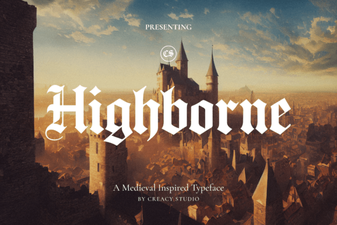 Highborne Font for Modern Creative Design
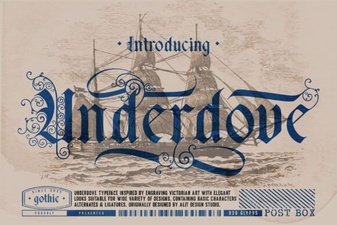 Underdove Font: Unique Styles for Creative Projects
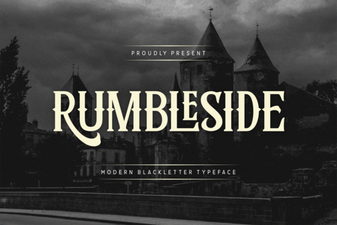 The Rumbleside Font for Creative Projects & Ui Design
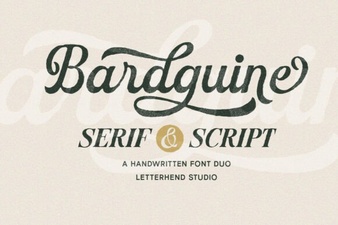 Crafting Projects with Bardguine Font Duo
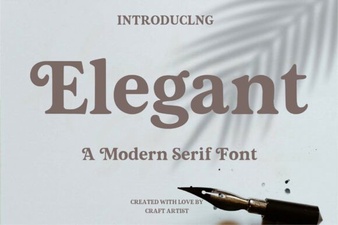 Choosing the Perfect Elegant Font for Your Design Project
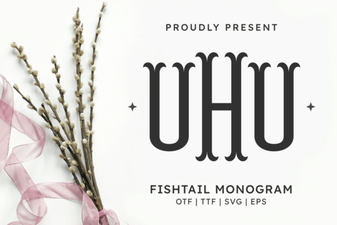 Fishtail Monogram Font for Creative Projects