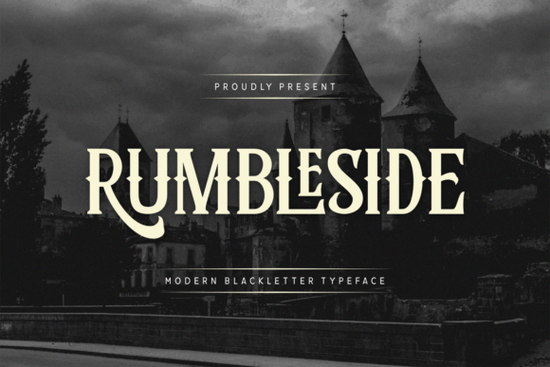
If you're looking for a bold blackletter font that feels both timeless and fresh something with sharp definition but not overly ornate Rumbleside Font fits naturally into your design toolkit. It’s not just another gothic revival typeface; it balances traditional blackletter structure with subtle modern refinements, like softened terminals and consistent stroke contrast. Whether you’re designing a craft fair banner, a small-batch apparel logo, or a vintage-inspired greeting card, Rumbleside delivers clarity at scale without sacrificing character.
When does Rumbleside work best?
This font shines where presence matters: large-format prints, signage, social media headers, and product packaging. Its generous x-height and open counters keep readability strong even when scaled down to 24pt for a t-shirt chest print or used in layered vinyl cutting. Because it’s a single-weight, all-caps display font, it’s most effective as a headline or focal point not for body text or long paragraphs.
Designers working on heritage-themed projects think apothecary labels, brewery branding, or handmade soap tags often find Rumbleside bridges the gap between “old-world charm” and “clean contemporary layout.” It pairs well with neutral sans-serifs (like Montserrat or Inter) or even gentle script fonts for contrast. If you’ve tried Stackwin Font and liked its rhythm but wanted something bolder and more grounded, Rumbleside is a logical next step.
How does it compare to other blackletter options on Creative Fabrica?
Blackletter fonts vary widely in tone and usability. Some lean heavily into medieval calligraphy, others simplify for digital use. Rumbleside sits comfortably in the middle: structured enough to feel authentic, but engineered for today’s design tools and output methods.
- Highborne Font offers more delicate flourishes and tighter spacing great for elegant invitations, but less forgiving on lower-resolution prints.
- Underdove Font has a slightly rounded, friendlier edge ideal if you want blackletter warmth without severity.
- Rumbleside Font, by contrast, gives you confident weight and clean geometry making it especially reliable for laser-cut wood signs or embroidered patches where crisp outlines matter.
You’ll also notice thoughtful OpenType features included: standard ligatures, stylistic alternates, and multilingual support (including Latin Extended-A). That means it handles names with accents like “José” or “Müller” without falling back to system defaults.
What file formats and licensing do you get?
The download includes OTF, TTF, and WOFF files so it works in desktop apps (Adobe Illustrator, Affinity Designer), web projects, and Cricut Design Space. The license covers commercial use: you can sell products featuring Rumbleside mugs, stickers, wall art without needing extra permissions. Just avoid reselling or redistributing the font files themselves.
If you’re new to blackletter fonts, it helps to test spacing early. Kerning pairs like “AV”, “To”, or “We” often need manual adjustment in layout software. Rumbleside includes built-in kerning, but always preview at actual size especially for cut files or embroidery digitizing.
Where else can you find quality blackletter fonts?
Creative Fabrica hosts several well-made blackletter options beyond Rumbleside. For example, Stackwin Font brings rhythmic consistency to lettering-heavy layouts, while Highborne Font adds refined elegance for boutique branding. Underdove Font is another solid pick if you prefer softer transitions between strokes.
One practical tip: before committing to a full project, try Rumbleside in your intended medium. Print a test sheet on your home printer, upload a mockup to your POD platform, or run a quick vinyl cut. Blackletter fonts can behave differently across materials especially with fine inner strokes or tight letter spacing.
Ready to use it?
Here’s what to do next:
- Download Rumbleside Font and install it in your system fonts folder.
- Type out your main headline in a vector app start with all caps and 72pt to assess spacing and weight.
- Compare how it looks alongside one of your usual sans-serif body fonts (e.g., set the headline in Rumbleside and body in Inter or Lato).
- If using for physical products, check stroke width against your production specs some cutting machines require minimum line thicknesses.
- Save your preferred alternate characters (like the swash “S” or connected “Th”) as separate layers or versions for flexibility later.
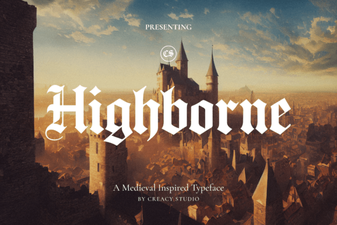 Highborne Font for Modern Creative Design
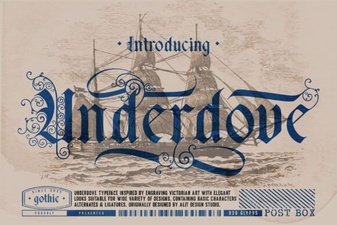 Underdove Font: Unique Styles for Creative Projects
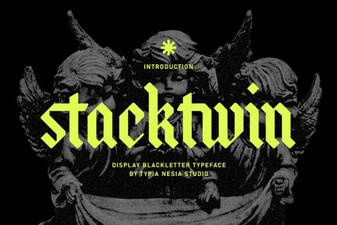 Stackwin Font Design Tips for Modern Projects
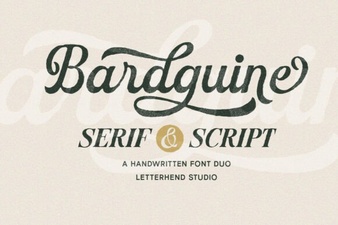 Crafting Projects with Bardguine Font Duo
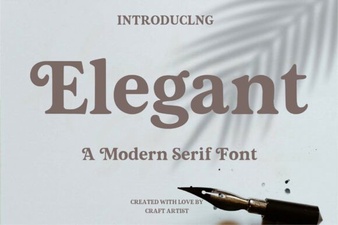 Choosing the Perfect Elegant Font for Your Design Project
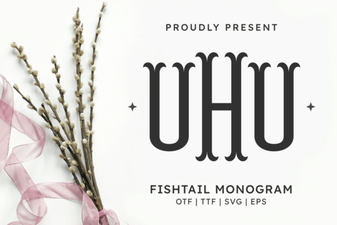 Fishtail Monogram Font for Creative Projects